
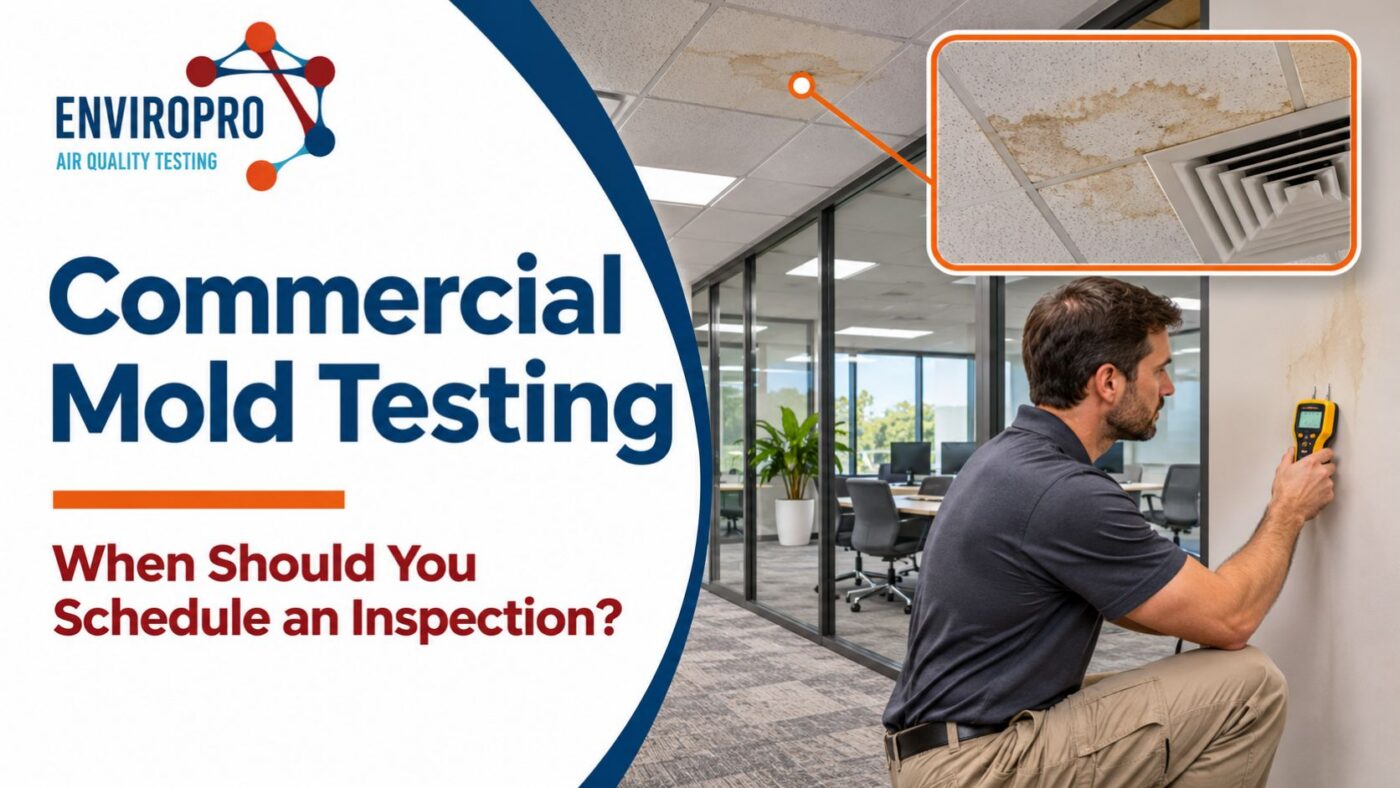
Commercial mold testing is worth considering when a business property has unresolved water damage, persistent musty odors, suspected hidden mold, or recurring moisture problems. An inspection can help business owners and property managers understand the condition of affected areas and decide whether laboratory sampling is useful. However, not every building needs routine mold testing. The […]
Category Archives: Mold Testing
11
Nov
Nov
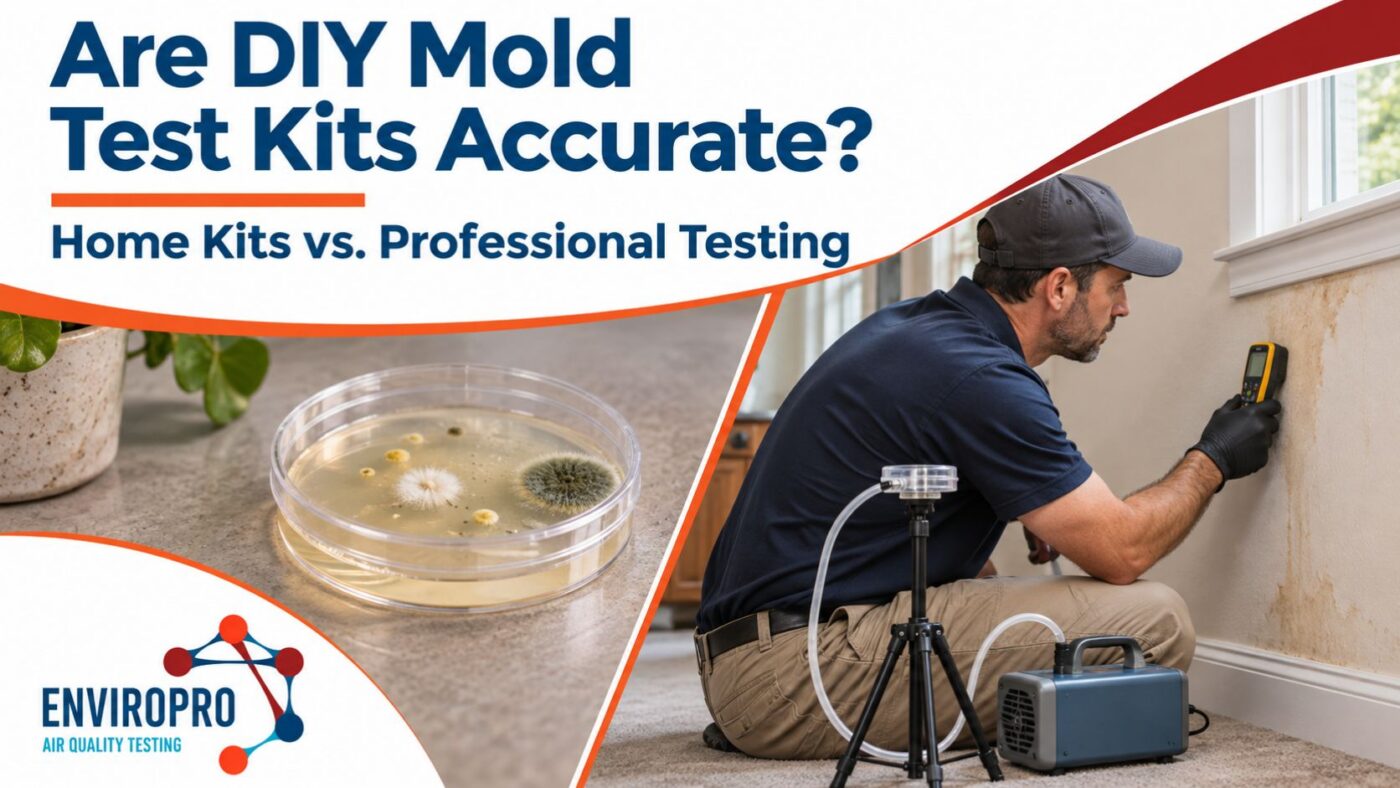
Are DIY mold test kits accurate? Some kits can detect or identify mold in a collected sample, but that doesn’t mean they can reliably determine whether your home has a significant mold problem. Many inexpensive kits simply show that mold spores are present, which is normal in indoor environments. Professional mold testing can provide more […]
05
Nov
Nov
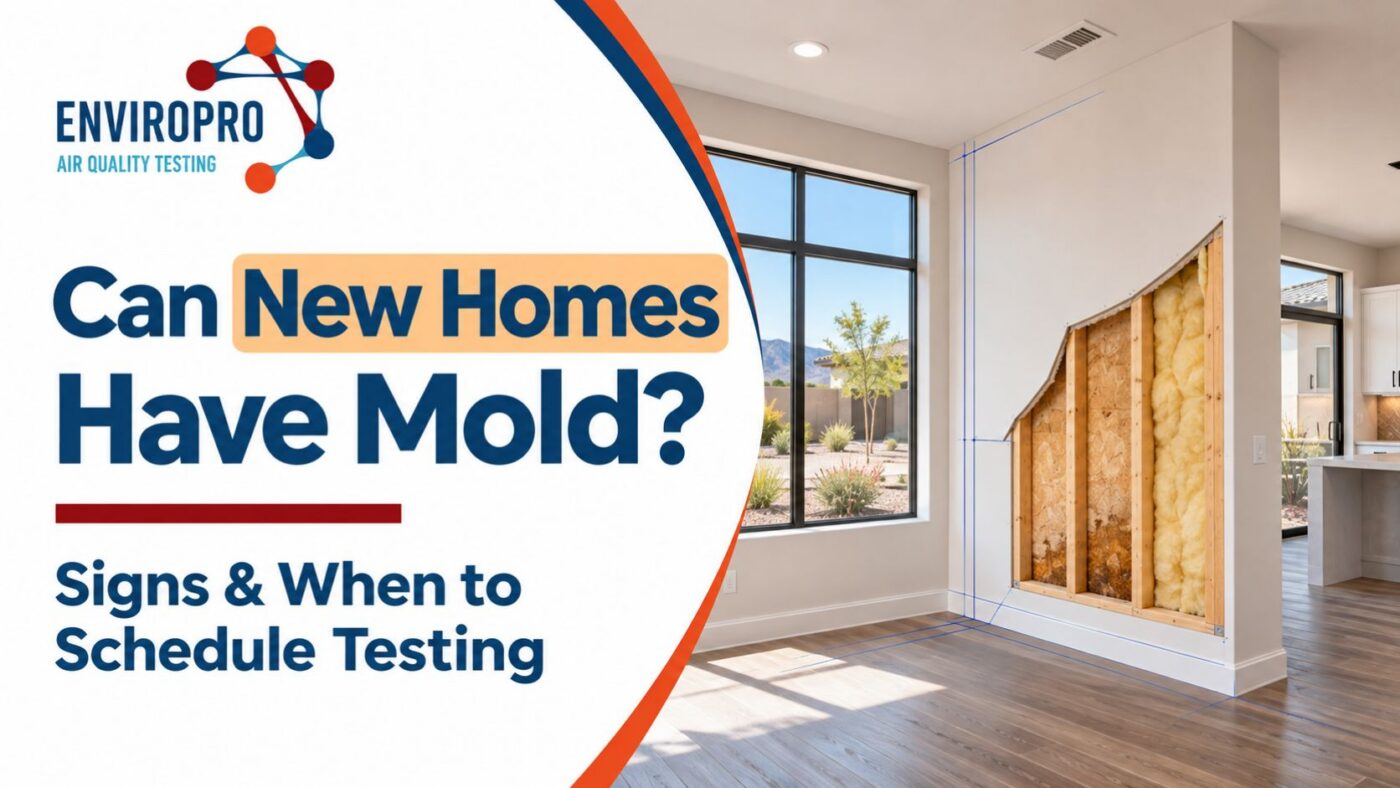
Yes, mold in new construction homes is possible, even before anyone moves in. A newly built house may have fresh paint, new flooring, and modern plumbing, but that doesn’t mean every building material remained dry throughout construction. Rain exposure, plumbing leaks, damp lumber, trapped moisture, and air-conditioning problems can create conditions for mold growth. Knowing […]
24
Sep
Sep
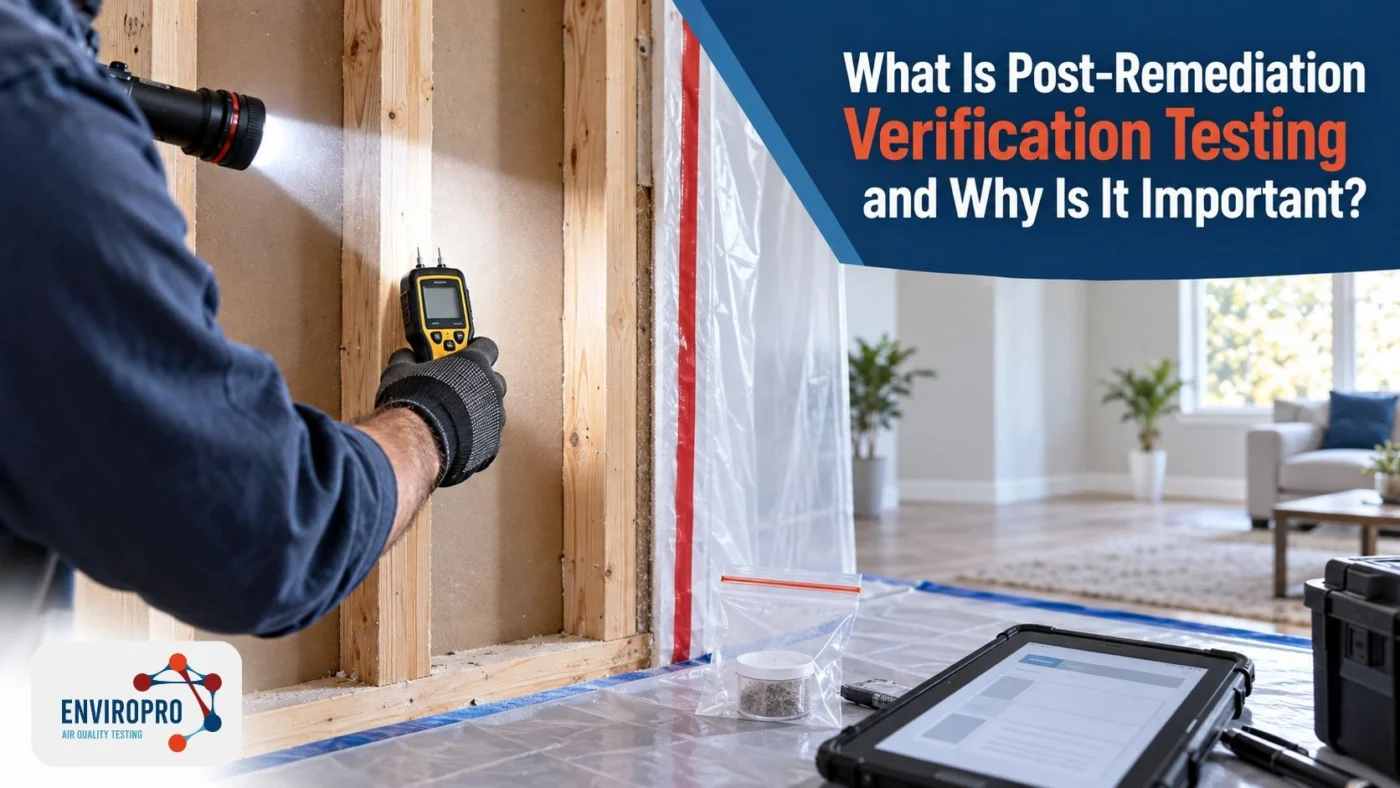
Post-remediation verification testing is an evaluation performed after mold cleanup to determine whether the work area meets the project’s agreed completion criteria. It may combine a visual inspection, moisture measurements, and targeted air or surface sampling; it does not guarantee that a property is mold-free, permanently dry, or free of every health risk. What does […]
24
Aug
Aug
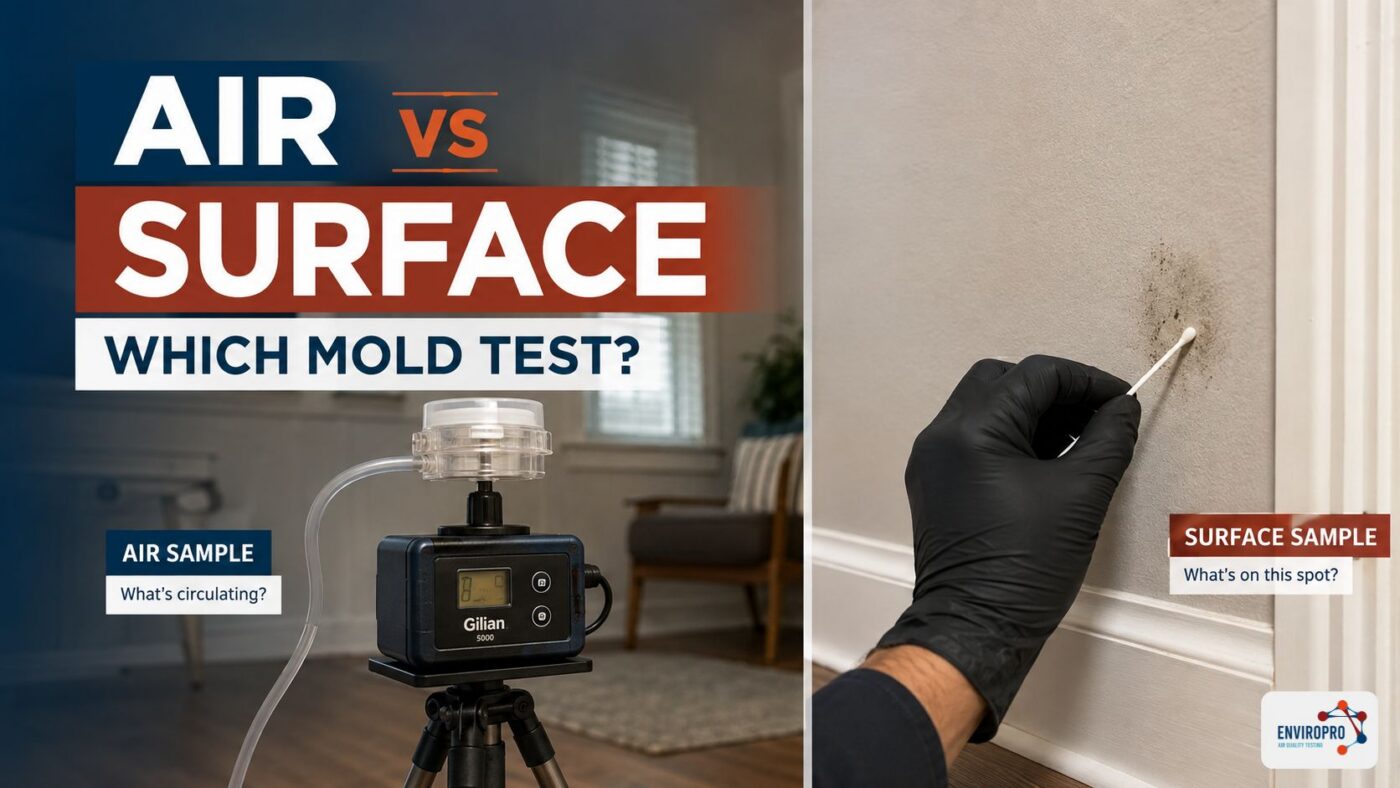
When comparing air mold testing vs surface mold testing, the right choice depends on the question you need answered. Air testing measures mold spores circulating in a room, while surface testing examines material collected from one specific spot. If you smell mold but cannot see it, air testing may provide useful clues. If you have […]
11
Aug
Aug
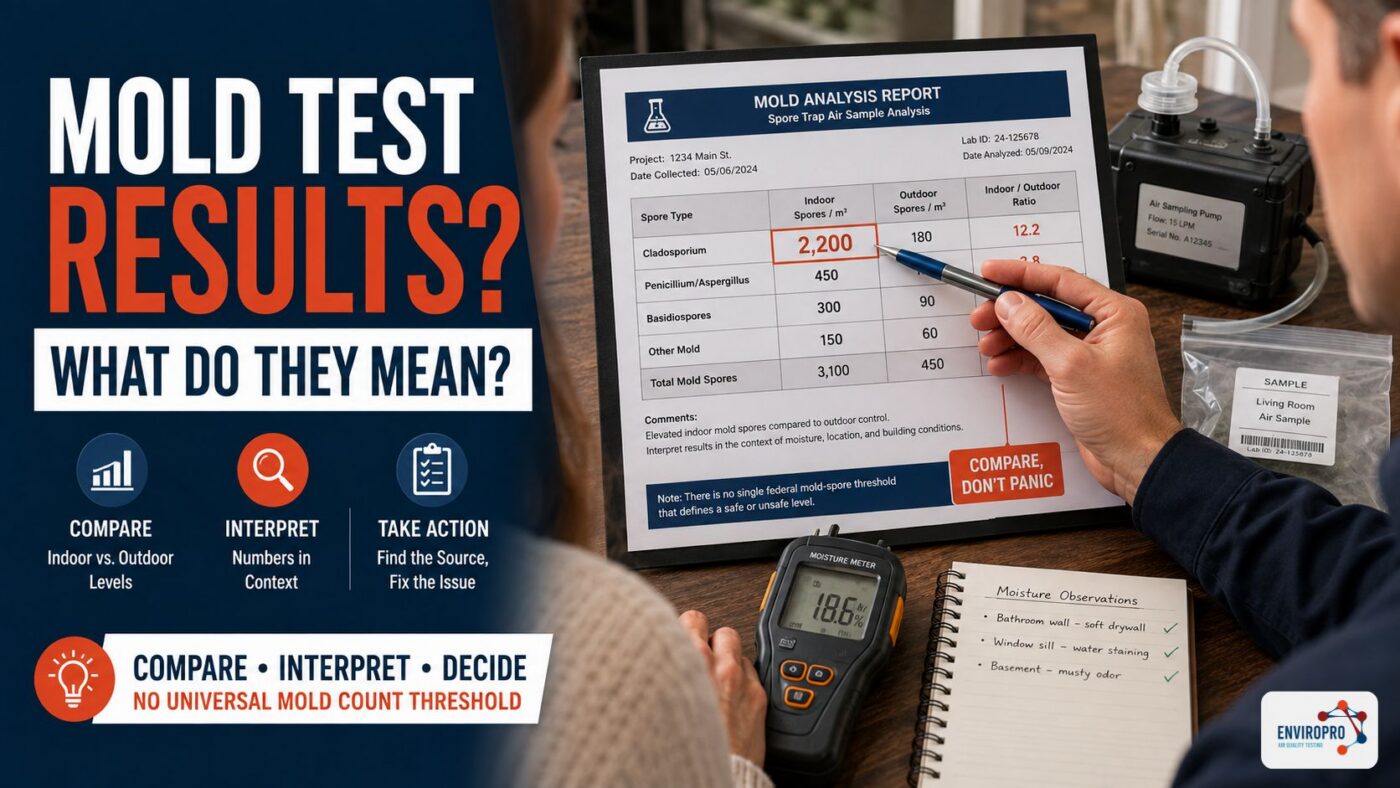
They show which mold spores or materials were detected in the samples, how much was found, and whether the indoor pattern suggests a possible mold source. The numbers should not be judged alone. A useful interpretation also considers the outdoor control sample, the rooms tested, visible damage, moisture readings, odors, and the type of sample […]
05
Aug
Aug
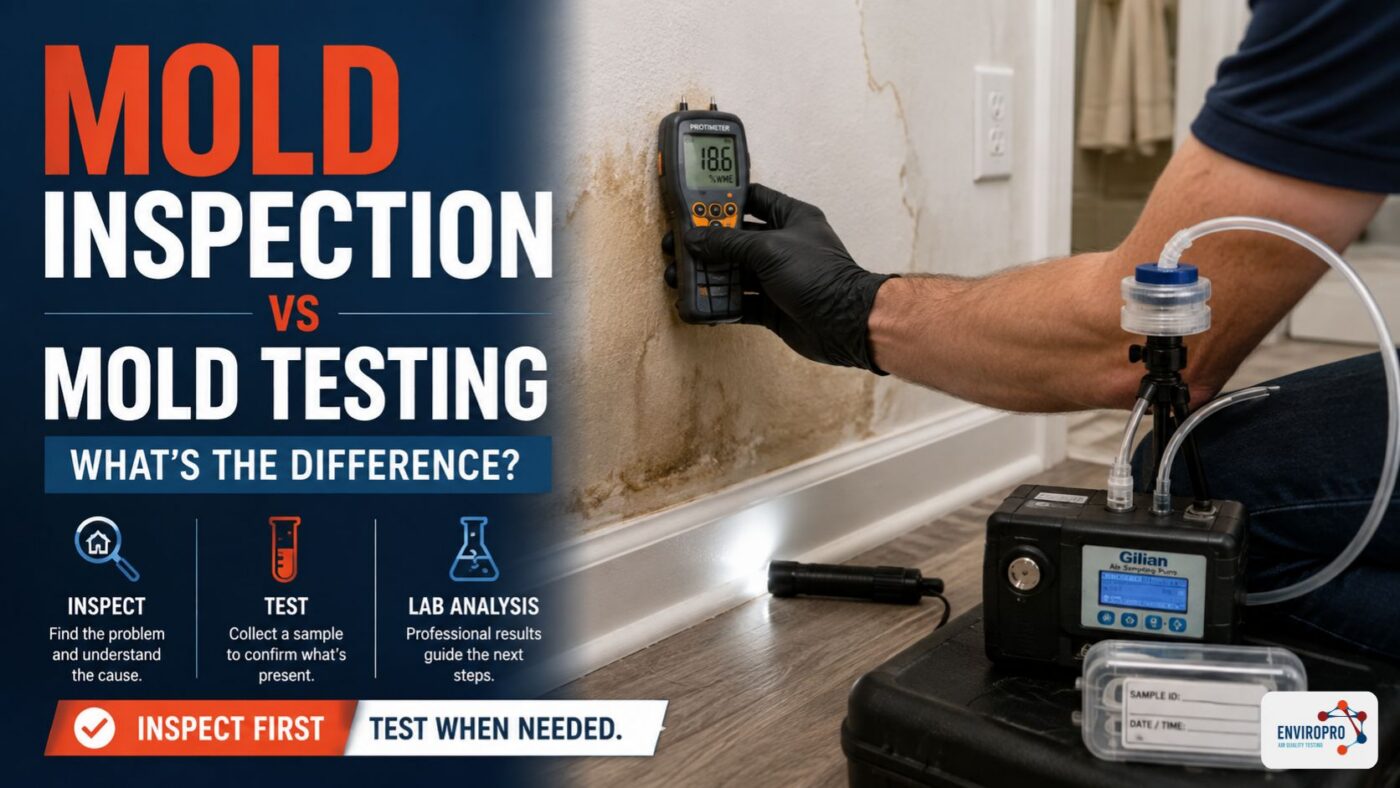
The difference between mold inspection vs mold testing is straightforward: a mold inspection examines the property for visible growth, water damage, excess moisture, and conditions that may support mold, while mold testing collects air, surface, or material samples for laboratory analysis. An inspection helps answer where the problem may be and what caused it; testing […]
15
Jul
Jul
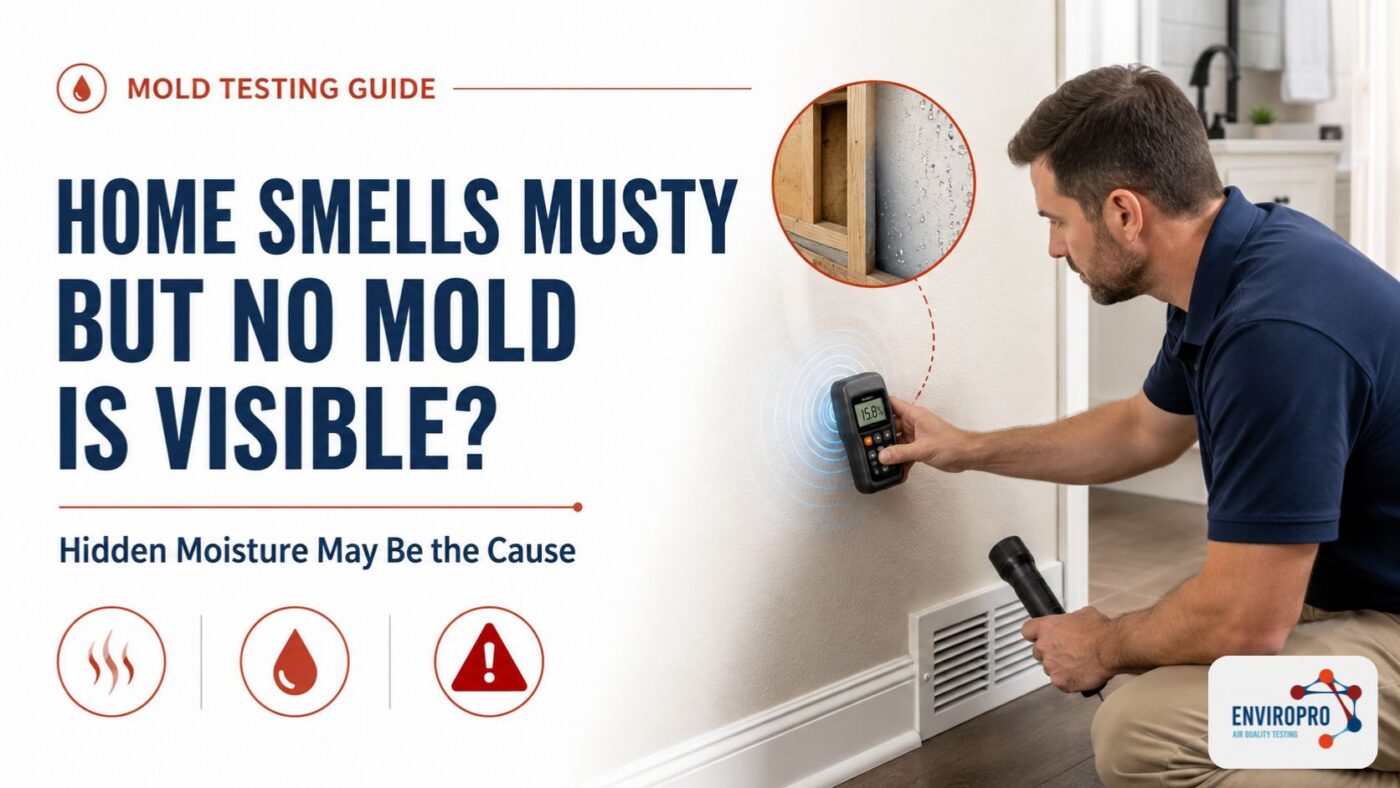
If your home smells musty but no mold is visible, the most likely cause is hidden moisture somewhere in the property. That moisture may be feeding hidden mold, mildew, bacteria, damp building materials, or stale air trapped in a poorly ventilated space. Sometimes the issue is not mold at all, but a leak, dirty HVAC […]